

5-Card Friday
A Bi-Weekly Update from the ITS UX Team
Best Exercises for Problem-Framing
Defining just the right problem to tackle and framing it right is the groundwork of the effective problem-solving process. Without taking the time to carefully define your challenge you run the risk of focussing on all the wrong things, scattering your attention, and ultimately - solving no problem at all, or worse yet – realizing after the challenge that you should’ve focussed on a different challenge altogether.
Flip the card over to learn more.
Best Exercises for Problem-Framing
But not to worry, there are effective tools and exercises that will help you get to the bottom of the tangled mess that problems are.
These exercises are our personal favorites (that we use when working with clients!) for getting to the bottom of the challenges and framing them for success.
Read Full Article
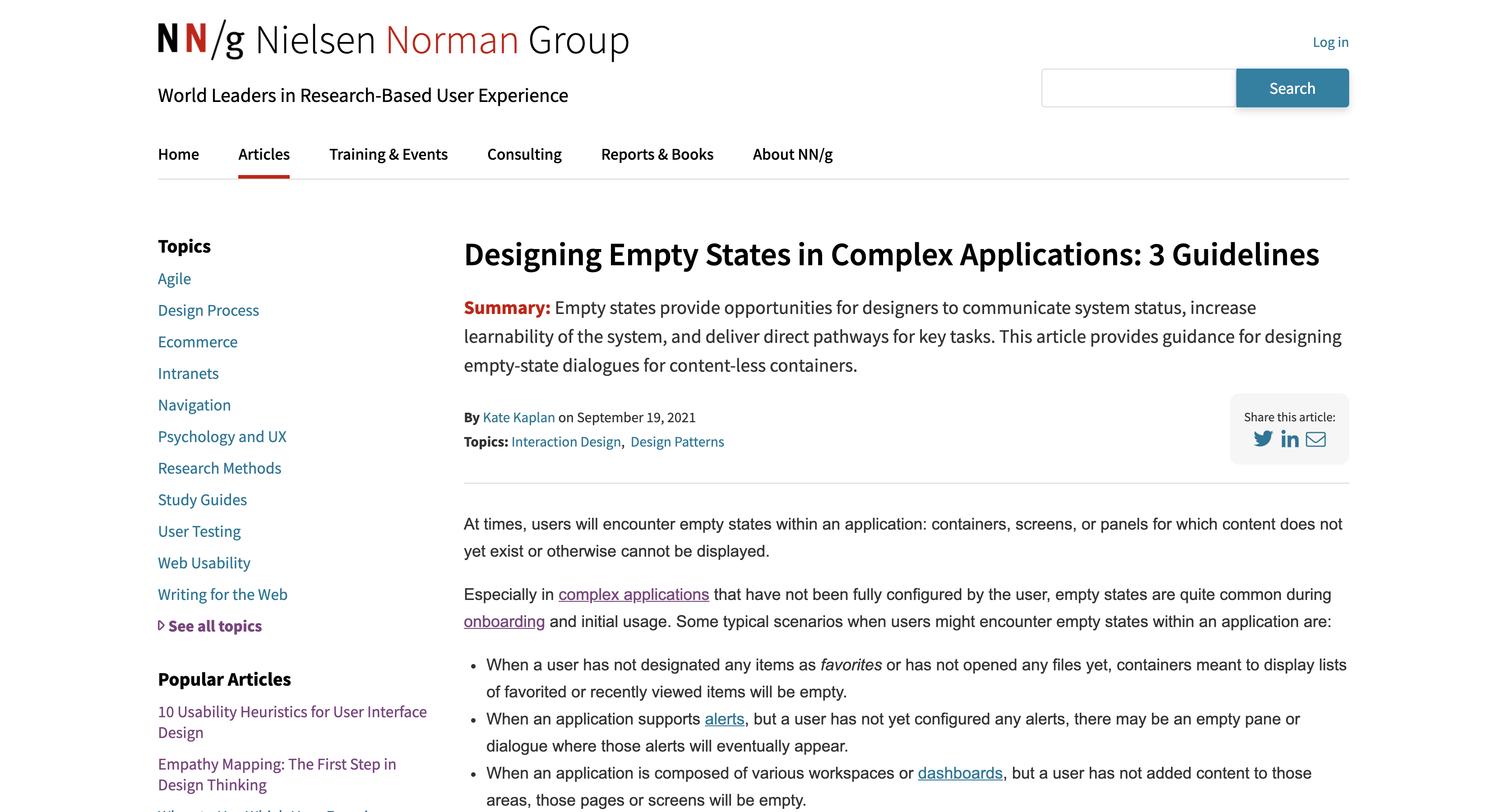
Designing Empty States in Complex Applications
Empty states provide opportunities for designers to communicate system status, increase learnability of the system, and deliver direct pathways for key tasks. This article provides guidance for designing empty-state dialogues for content-less containers.
Flip the card over to learn more.
Designing Empty States in Complex Applications
At times, users will encounter empty states within an application: containers, screens, or panels for which content does not yet exist or otherwise cannot be displayed.
Empty states that are intentionally designed — not left as an afterthought — can be used to:
- Communicate system status to the user
- Help users discover unused features and increase learnability of the application
- Provide direct pathways for getting started with key tasks
Read Full Article
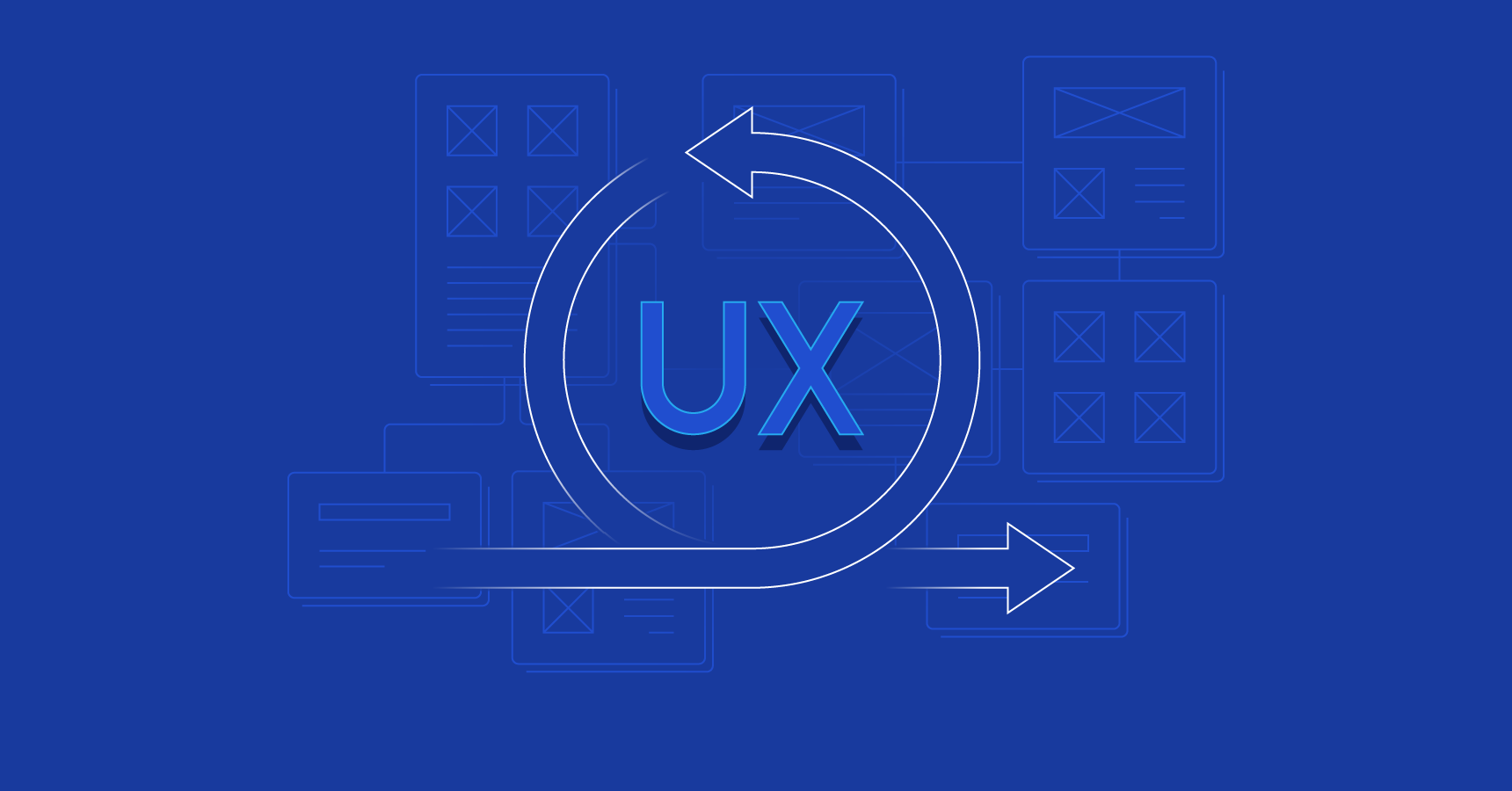
How to Incorporate UX and Product Design into Agile
As UX strategy and design become increasingly important, the challenge of incorporating UX specialists into Agile methodologies becomes equally important. In this article, Toptal Freelance UX Designer Debbie Levitt explains how UX designers and creative teams can be effectively incorporated at all stages of Agile development.
Flip the card over to learn more.
How to Incorporate UX and Product Design into Agile
DevOps is often defined as the processes, operations, methodologies, tools, and culture surrounding a company’s software and systems development.
But engineering doesn’t operate in a vacuum. Blueprints, ideas, designs, and concepts come from product design specialists who decide layouts, flows, and interactivity. These are non-engineering individuals and teams who share DevOps’ goals and desired results.
Read Full Article
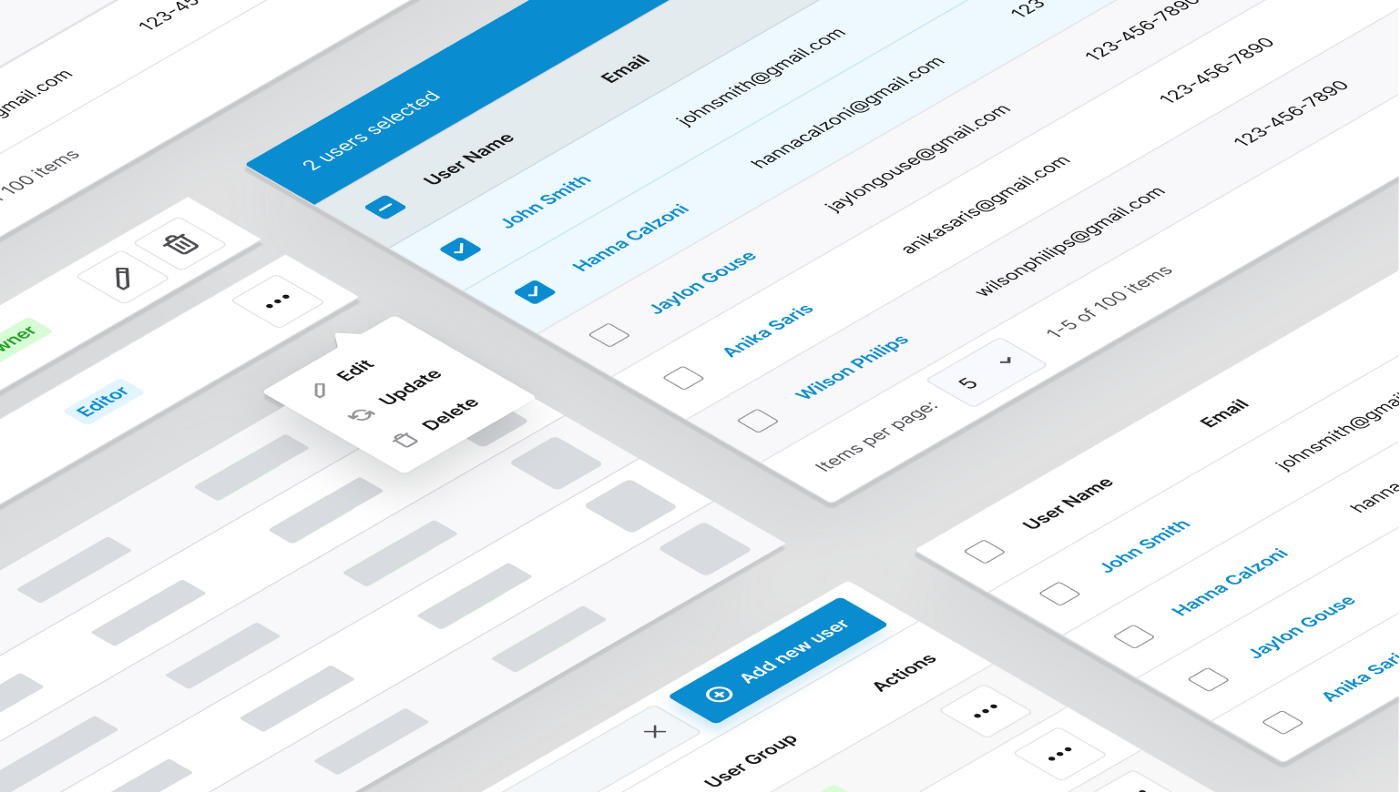
Tips for Designing Modern Tables
Every product designer encounters tables during work on a big product. User tables, product tables in e-commerce platforms, bill tables or task tables, and others.
As a result, we question ourselves what style does help faster orient in the table and will look great, how to design sort by column, where to place bulk actions with rows, etc.
Flip the card over to learn more.
Tips for Designing Modern Tables
Tables vary in size, complexity, content and purpose. Regardless of use-case all well-designed data tables provide clarity on the information presented and help users make insights and take action.
Read the article to find tips on designing your own table.
Read Full Article
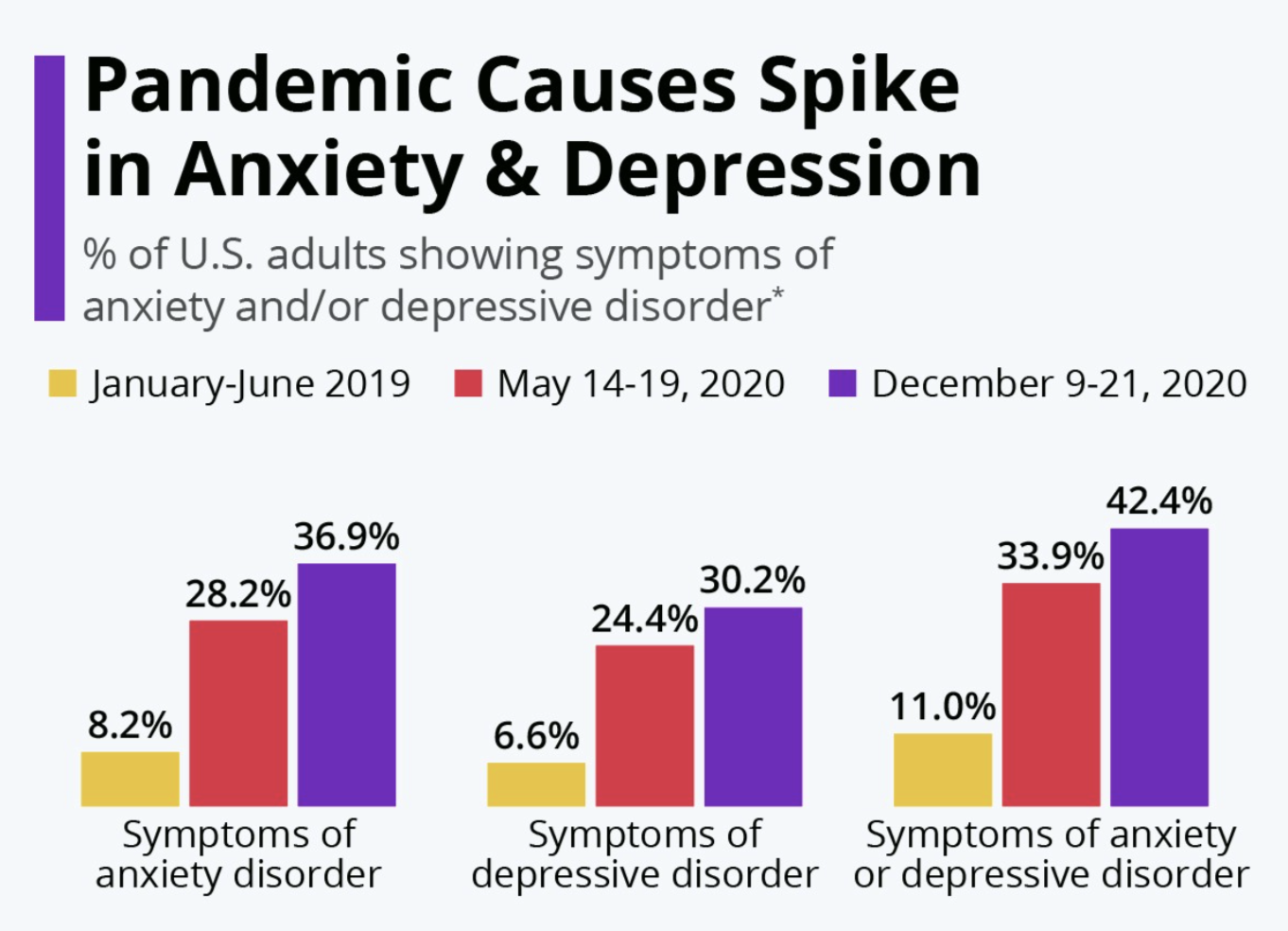
Inclusive UX in an Era of Anxiety
Accessibility continues to be an important topic across multiple industries, yet mental health, and specifically anxiety, don’t often immediately come to mind as a piece of the puzzle.
Flip the card over to learn more.
Inclusive UX in an Era of Anxiety
Considering the skyrocketing rates of mental illness throughout the course of the COVID-19 pandemic — plus many more of us struggling with daily stressors and mood swings that may lead us to irrational negative thinking —how often are we asking ourselves, “How will someone with anxiety experience our product/service/feature? How can we make that better?”
As Mental Health Awareness Month comes to a close, I’ve been reflecting on personal experiences, and the many ways designers and developers can influence someone suffering from anxiety or depression.
Read Full Article