

5-Card Friday
A Bi-Weekly Update from the ITS UX Team

How to Solve a Design Problem?
A step towards the solution isn’t always a step forwards.
Flip the card over to learn more.
How to solve a design problem?
Have you ever wanted to know about the design process? The author takes you through his own personal journey with solving design problems.
Read Full Article

Best Practices for Search Results
Search is like a conversation between the user and system: the user expresses the request for information as a query, and the system responses with a set of results. The results page is a crucial piece of the search experience because it responds to users’ information needs.
Flip the card over to learn more.
Best Practices for Search Results
Search is a critical element of sites conversion. Users typically make very quick judgments about site’s value based on the quality of search results. That’s why search feature should help users find what they want quickly and easily.
Read Full Article
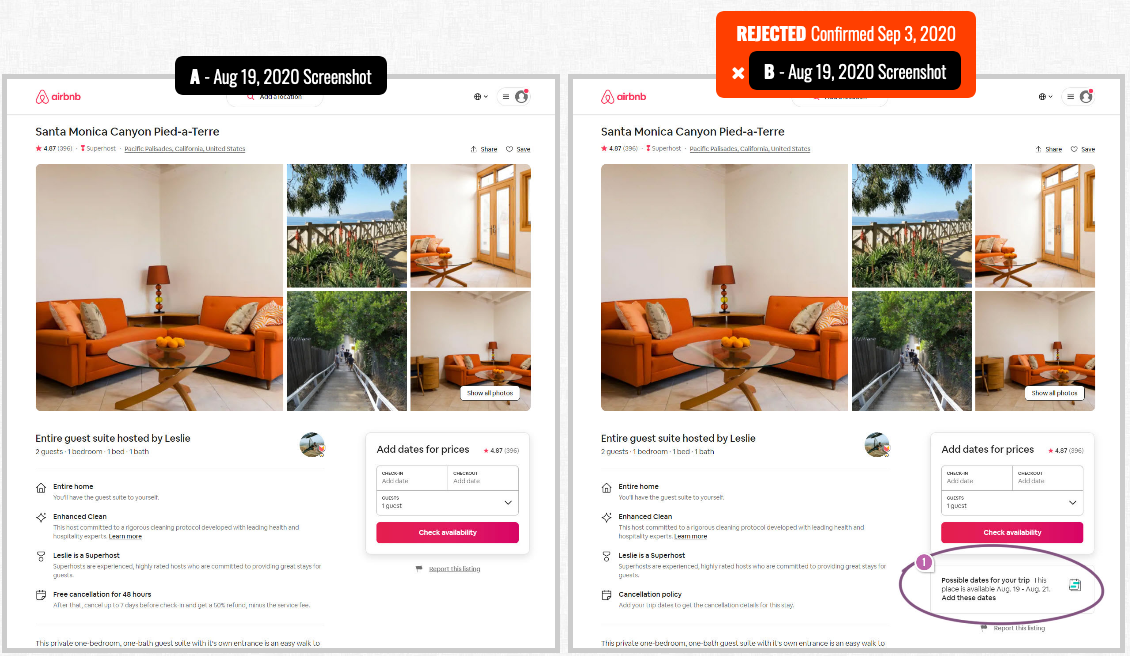
Airbnb Rejects Auto Suggested Dates In This Failed A/B Test
Not all experiments succeed including this one that Airbnb recently ran on their property pages. Their A/B test was automatically suggesting a next available date below the "Check Availability" button when someone didn't already have any chosen dates.
Flip the card over to learn more.
Airbnb A/B Testing Auto Suggested Dates
In this leaked experiment, some users were given an option to add "automatically suggested dates" to their search on Airbnb. This variation had a date suggestion with the next available date (possibly for 2 nights or so). A month later however, the experiment completed and was rejected.
One reason why that this might not have worked (as it was rejected) was because it might be too difficult to guess and match someone's desired check-in date and duration. Perhaps some these dates are simply too variable to guess and predict. If this is so, then the usefulness of showing fixed dates might deteriorate.
An interesting follow-up experiment is proposed in the article.
Read Full Article
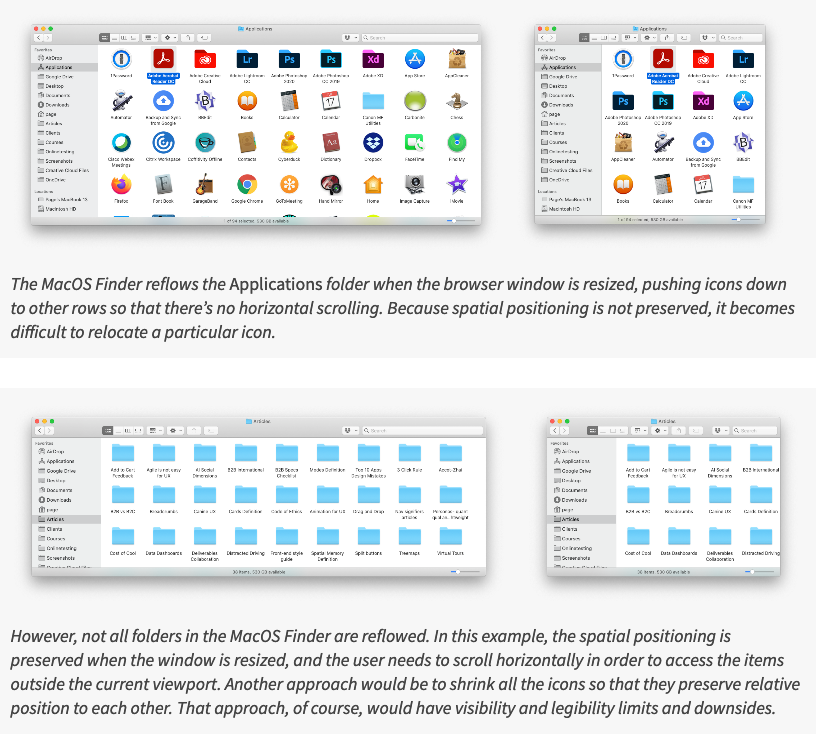
Spatial Memory: Why It Matters for UX Design
With repeated practice, users develop imprecise memory of objects and content in a UI, but still need additional visual and textual signals to help them find a specific item.
Learn more from this NN/g article about this UX principle on the back of this card.
Spatial Memory
Definition: Spatial memory is the ability to learn the location of objects of interest by interacting with them repeatedly. In GUIs, spatial memory allows users to develop a level of automaticity when accessing frequently used features or data.
For users to be able to develop spatial memory, two things are necessary:
- Stable UIs where things don’t move around (much)
- Repeated practice accessing the objects
Within the article, several guidelines are explored which are meant to help users build spatial memory. These guidelines include:
- Avoid adaptive interfaces
- Increase salience with text labels and thumbnails
- Use broad, shallow hierarchies
- Display information-space overviews
- Create landmarks for users
Read Full Article
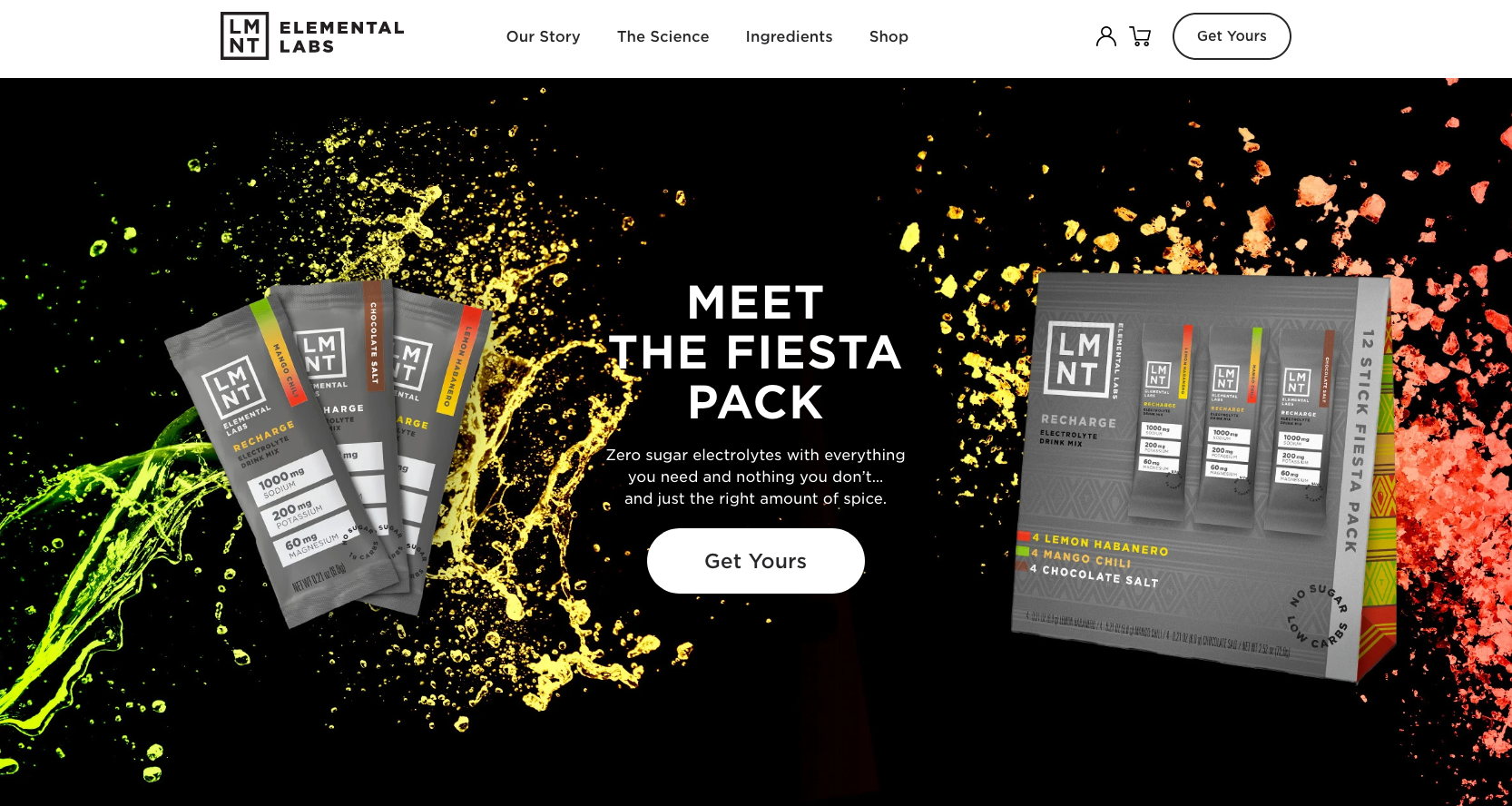
How To Create Customer-Centric Landing Pages
Customer needs should be one of the primary considerations when designing a website or landing page. In this article, Travis Jamison explains why customer-centricity is so important and how you can apply it to almost every business decision that you make.
Learn more on the back of this card.
Customer-Centric Landing Pages
"Gone are self-indulgent product stories. Gone are irrelevant, questionable claims. Gone are interfaces that take more than three seconds to load. The era of customer-centric landing pages has dawned. And if your job involves being concerned with metrics like conversion, engagement, and bounce-rates, this is a post that you may want to sit straight up for." (Travis Jamison)
Some of the tips in this article for creating custom-centric landing pages include:
- Maintain consistency with ad copy and landing page content
- Leverage urgency
- Provide social proof
- Address pain points
- Engage potential customers
Read Full Article